
Real-time monitoring of strength and temperature enabled safe 24-hour slipform construction, improved compliance with SSEN specifications, and eliminated delays associated with cube testing.
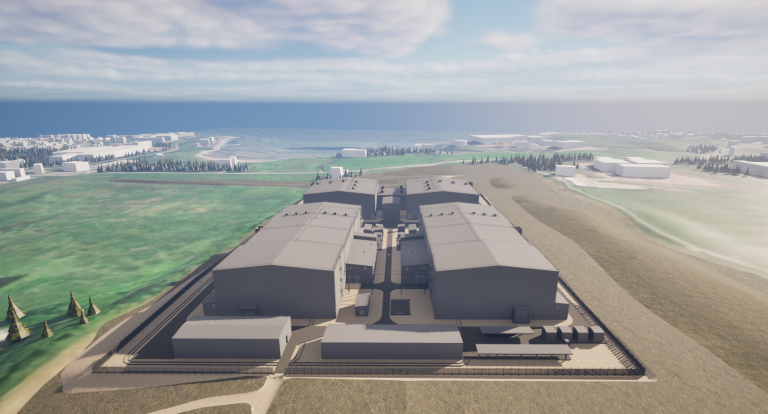
BAM is delivering key transformer infrastructure as part of Eastern Green Link 2 (EGL2) – a major upgrade to the UK's electricity transmission network designed to support the integration of renewable energy. The project involves constructing two transformer structures and one spare transformer using a continuous 24-hour slipform method, where maintaining strict control over early-age concrete performance is critical.
To meet programme milestones and ensure compliance with stringent structural specifications, BAM deployed Converge's Signal Long Range sensors and ConcreteDNA platform to monitor concrete strength and temperature behaviour in real time.
The transformer structures required thick concrete walls exceeding 500 mm, making temperature management a critical factor in ensuring structural integrity. SSEN specifications required strict control of temperature differentials between the concrete core and surface, meaning the team needed accurate monitoring throughout the curing process.
Prior to implementing Converge, slipform operators relied on traditional manual techniques to determine whether the concrete had hardened sufficiently to allow the slipform rig to advance — including probing the concrete with a steel rod to estimate its condition, a method that provided no quantifiable or verifiable data. Strength verification was primarily conducted using cube crushing tests, which required continuous laboratory support and only delivered results at fixed intervals rather than in real time.
This created several operational challenges:
The EGL2 project had also set a target to reduce carbon emissions by 20% from baseline, making the reduction of inefficiencies, unnecessary cement use, and rework a key priority.
BAM implemented Converge's Signal Long Range sensors and ConcreteDNA platform, enabling continuous real-time monitoring of both concrete strength development and temperature differentials throughout the slipform operation.
With sensors embedded directly in the concrete, engineers could access live data via the ConcreteDNA platform from any device, tracking curing behaviour around the clock. The solution proved straightforward to deploy – sensors were installed during the pour and activated quickly, with minimal disruption to site operations.
Key capabilities delivered:
Real-time data also enabled the team to quickly detect deviations from expected curing behaviour, allowing proactive intervention before issues could develop.
Instead of waiting for laboratory results, engineers could access live strength data and make immediate decisions about slipform advancement, removing one of the programme's key bottlenecks.
Temperature differentials between core and surface were monitored throughout the pour, ensuring the concrete remained within SSEN specification limits and reducing the risk of thermal cracking.
Digital data records provided traceable documentation for QA processes, audits, and compliance reporting – replacing reliance on manual checks with a single, reliable source of truth.
The project realised cost savings through reduced laboratory testing, lower staffing demands, and improved programme efficiency. Minimising rework and waste also supported the project's 20% carbon reduction target.
The platform gave engineering and construction teams a shared view of live concrete performance, simplifying communication and reducing reliance on manual coordination across a round-the-clock operation.